
The historical journey of gambling tracing its evolution through time
Origins of Gambling
The origins of gambling can be traced back to ancient civilizations, where games of chance played a significant role in social and religious practices. Archaeological evidence indicates that the Chinese were among the first to engage in gambling activities, with evidence of rudimentary dice dating back to 3,000 BCE. Similarly, ancient Egyptians and Romans employed various forms of betting, highlighting the universal appeal of gambling across cultures. To help enthusiasts learn more, our site has numerous guides that explore different facets of gambling.
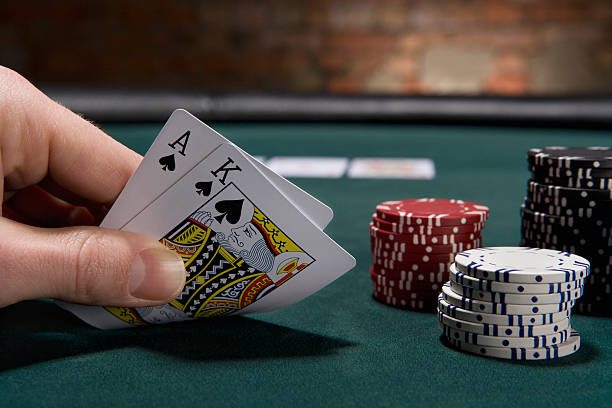
As societies evolved, so did the methods and contexts of gambling. In ancient Rome, for instance, betting on gladiatorial contests and chariot races became increasingly popular, reflecting the societal values of competition and risk. This historical backdrop laid the foundation for modern gambling practices, showcasing how deeply ingrained the activity is in human nature.
Middle Ages to Renaissance: Regulation and Expansion
During the Middle Ages, gambling faced significant scrutiny from religious authorities, leading to fluctuating levels of acceptance. Despite these challenges, gambling continued to thrive, particularly in card games and dice games among the nobility. The invention of the printing press in the 15th century facilitated the spread of gambling culture, as books on games and strategies became widely available.
The Renaissance period marked a turning point for gambling, as it became more structured and regulated. Governments began to recognize the potential tax revenue from legalized gambling, resulting in the establishment of state-sponsored lotteries in several European nations. This evolution highlighted a growing acceptance of gambling as a legitimate pastime, setting the stage for its eventual global proliferation.
The Rise of Modern Gambling
The 19th century ushered in a new era for gambling with the establishment of casinos and betting establishments, particularly in Europe and the United States. The creation of Monte Carlo Casino in 1863 exemplified this trend, drawing affluent players and tourists. In the United States, the Gold Rush era spurred a boom in gambling, particularly in cities like San Francisco and New Orleans, where saloons and gambling houses flourished.
This period also saw the advent of organized sports betting, as public interest in sports grew. The integration of gambling into sports events created a new dynamic, enhancing the excitement for spectators and participants alike. By the turn of the 20th century, gambling had woven itself into the fabric of popular culture, with various forms becoming mainstream entertainment.
Gambling in the Digital Age
The late 20th century heralded the dawn of the internet, revolutionizing the gambling landscape. Online casinos began to emerge in the 1990s, offering a convenient alternative to traditional establishments. With the ability to play from the comfort of home, the accessibility of gambling expanded dramatically, attracting a broader audience.
Technological advancements also played a crucial role in enhancing the gambling experience. Innovations such as live dealer games and mobile gaming have created interactive and immersive environments that replicate the thrill of traditional casinos. As online gambling continues to evolve, it raises discussions about regulation, responsible gaming, and the impact on addiction.

Understanding Modern Gambling: Resources and Support
As the gambling industry grows, so does the need for resources addressing the challenges associated with it, particularly gambling addiction. Numerous organizations offer support and recovery stories from individuals who have navigated the complexities of gambling-related issues. These resources aim to provide education, awareness, and assistance to those affected by gambling addiction.
By fostering a dialogue around responsible gambling and offering guidance for those seeking help, the industry acknowledges its social responsibility. Online platforms are increasingly incorporating features that promote safer gambling practices, ensuring players can enjoy their gaming experience while being mindful of their well-being.