
The evolution of gambling uncovering historical influences and milestones
The Origins of Gambling
The history of gambling dates back thousands of years, with evidence suggesting that it originated in ancient civilizations. Archaeologists have discovered gambling artifacts in places like China and Mesopotamia, where rudimentary dice and betting games were prevalent. These early forms of gambling were often linked to religious rituals and social gatherings, highlighting their integral role in community life. Today, players in Australia can find valuable resources and guides on platforms like https://best-online-pokies-australia.it.com/ that showcase the best online pokies available.
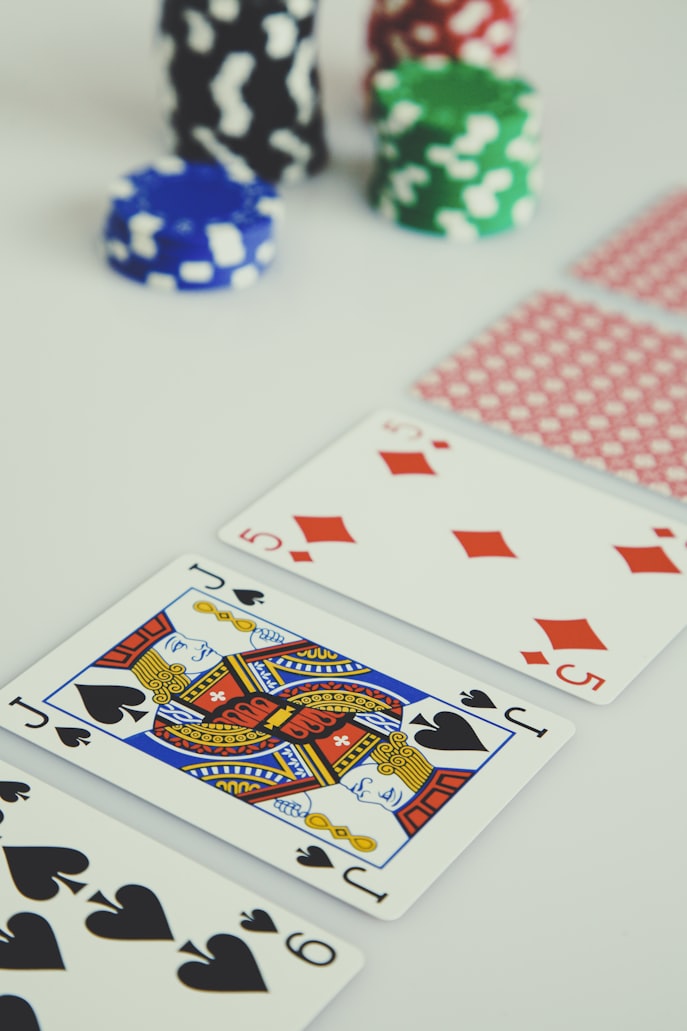
As societies evolved, so did the complexity of gambling activities. Ancient Rome, for instance, introduced a variety of games, including betting on gladiatorial contests. The emergence of these games reflected not only a pursuit of entertainment but also the human desire for risk and reward. This foundational period established the cultural significance of gambling across various societies.
The Middle Ages and Its Influence
During the Middle Ages, gambling took on new forms, influenced by the rise of card games in Europe. The invention of playing cards around the 14th century led to a surge in gambling’s popularity among the nobility. This era saw the establishment of betting houses and the beginnings of organized gambling, which laid the groundwork for modern casinos.
However, this period was not without challenges. Gambling often faced opposition from religious and political authorities who viewed it as morally corrupt. Despite these challenges, gambling continued to thrive, adapting to societal changes and becoming entrenched in cultural practices across Europe.
The Rise of Modern Gambling
The 18th and 19th centuries marked a pivotal moment in the evolution of gambling, with the establishment of formal casinos. The first recognized casino, the Casino di Venezia, opened its doors in Italy in 1638, paving the way for others across Europe and eventually the Americas. This era saw the introduction of various games, such as roulette and baccarat, solidifying the casino’s status as a center for social activity and entertainment.
The Industrial Revolution further transformed gambling, making it more accessible to the masses. The proliferation of gambling halls and the introduction of lottery systems in many countries signified a shift from exclusive, elite gaming to more inclusive entertainment options. This transition played a crucial role in popularizing gambling and shaping its modern identity.
The Digital Age and Online Gambling
The advent of the internet in the late 20th century revolutionized gambling once again. Online casinos emerged, offering players the chance to engage in a wide range of gambling activities from the comfort of their own homes. The convenience and accessibility of online gambling attracted a new generation of players and fueled industry growth.
Today, technological advancements continue to shape the gambling landscape. Features such as live dealer games and mobile gambling applications provide players with immersive experiences, blurring the lines between virtual and traditional gambling. The rise of cryptocurrencies also presents new opportunities and challenges, further evolving the way people engage in gambling.

Exploring the Future of Gambling
The future of gambling is poised for exciting developments as it continues to adapt to societal changes and technological advancements. With an emphasis on responsible gaming and player protection, modern platforms aim to create a safe and enjoyable environment for users. Innovations in virtual reality and artificial intelligence are likely to shape the next generation of gambling experiences.
As the industry evolves, resources for players are increasingly important. Websites dedicated to reviewing and comparing gambling platforms can help users navigate their options. By providing insights into game selections, bonuses, and payment methods, these platforms contribute to informed decision-making and enhance the overall gambling experience.